
How to Measure Performance in Your Janitorial Business for Better Results

How to Measure Performance in Your Janitorial Business for Better Results
Measuring performance in your janitorial business is a crucial step for achieving better results, enhancing service quality, reducing costs, and ensuring sustainable growth. In a competitive cleaning industry, where both residential cleaning and commercial cleaning services compete for contracts, business owners, facility managers, and property owners are increasingly expecting measurable proof of quality service. For commercial cleaning companies, meeting client expectations, maintaining safety regulations, and controlling labor costs and equipment costs are fundamental to long-term success.
This comprehensive guide will explore how cleaning companies can measure their performance using key performance indicators (KPIs), client satisfaction metrics, employee productivity measures, and operational efficiency analyses. It will provide examples of practical tools, best practices, and data-driven decisions to deliver real results.
Why Performance Measurement Matters in Your Cleaning Business
Performance measurement is not simply an administrative task—it plays a crucial role in maintaining high standards, ensuring regulatory compliance, and improving customer experience. Many janitorial companies overlook this, leading to inconsistent service, higher employee turnover, and dissatisfied clients.
Key Benefits of Performance Measurement:
- Consistency: Ensures all cleaning teams perform to the same standard across multiple facilities.
- Operational Efficiency: Identifies areas where tasks can be completed faster without compromising quality.
- Client Satisfaction: Provides a measurable framework to track whether customer needs are being met.
- Cost Savings: Helps optimize labor costs, chemical costs, and consumables costs.
- Continuous Improvement: Establishes a baseline for employee productivity and process refinement.
Example: A commercial cleaning services provider managing office buildings noticed recurring complaints about poorly cleaned break rooms. After introducing weekly inspections and tracking customer satisfaction scores, the company reduced complaints by 40% within three months and increased retention of its client base.
Example: A small residential cleaning company tracked the number of tasks completed per home and discovered that some cleaners consistently missed specific tasks. By retraining these employees, they improved service quality and increased referral-based business.
Identifying the Right Key Performance Indicators (KPIs)
A powerful tool for any janitorial company is identifying the KPIs that directly impact service delivery, customer satisfaction, and profitability. Without KPIs, business owners cannot make data-driven decisions.
Essential KPIs for Cleaning Businesses:
- Response Times: Track how quickly cleaning teams respond to special requests or emergencies.
- Customer Satisfaction Scores (CSAT): Measured via online surveys or QR code forms.
- Square Feet Cleaned Per Hour: Monitors employee productivity relative to assigned areas.
- Inspection Scores: Evaluates the quality of service and adherence to high standards.
- Labor Cost Per Site: Balances staffing levels with efficiency.
- Consumables and Chemical Cost: Tracks actual cost vs budget.
- Number of Tasks Completed: Ensures all cleaning tasks are performed within business hours.
- Employee Turnover Rate: Helps predict recruitment needs and training requirements.
Example: A school district required cleaning companies to provide proof of consistent service across multiple campuses. By tracking “square footage cleaned per hour” for each custodian, the company improved efficiency by 18% over three months and reduced unnecessary overtime.
Example: A commercial cleaning team introduced KPIs to track response times for emergency spill clean-ups in an office building. Tracking this metric helped them ensure all spills were addressed within 15 minutes, improving floor safety and client trust.
Measuring Service Quality and Client Satisfaction
Service quality is the backbone of client retention. Measuring quality involves both direct observation and client feedback.
Methods for Measuring Quality:
- Visual Inspection: Using detailed checklists to review completed tasks.
- Colorimetric Tests: Ensures surfaces meet industry standards for cleanliness.
- Floor Slip Resistance Testing: Reduces fall accidents and ensures floor safety.
- Regular Inspections: Conducted by supervisors to verify adherence to high standards.
- Customer Feedback: Gathered through online surveys, emails, and social media platforms.
Example: A commercial cleaning company servicing a large corporate office implemented floor slip resistance testing after a minor fall incident. The follow-up testing allowed them to adjust cleaning protocols, ultimately preventing future incidents and meeting regulatory compliance.
Example: In a residential cleaning company, a QR survey revealed that clients were dissatisfied with the dusting service. By retraining the staff and introducing daily quality checklists, the company increased customer satisfaction scores by 25% over two months.
Evaluating Employee Productivity and Labor Costs
Employee productivity directly affects both service quality and profit margins. High productivity ensures more tasks are completed efficiently, while poorly tracked labor increases actual cost.
Metrics to Evaluate Productivity:
- Tasks completed per shift
- Time spent on specific tasks
- Rework frequency
- Comparison of new employees vs experienced staff
- Employee turnover
Example: A commercial cleaning company noticed custodians spent excessive time searching for cleaning supplies. By reorganizing storage closets and creating standardized cleaning carts, labor efficiency improved by 15%, lowering overall labor costs.
Example: During peak season, a janitorial company tracked the number of tasks completed per square foot in several office buildings. Employees exceeding benchmarks were rewarded, which increased morale and overall employee productivity.
Tracking Operational Efficiency Across Cleaning Teams
Operational efficiency ensures your janitorial business maximizes output while minimizing cost.
Metrics to Track Operational Efficiency:
- Time to complete all tasks during business hours
- Frequency of missed cleaning tasks
- Equipment downtime
- Administrative work hours
- Supply usage and consumables cost
Example: A commercial cleaning team identified inefficiency when employees walked long distances to retrieve equipment. By relocating supplies closer to work areas, they reduced wasted time and improved service delivery.
Example: A residential cleaning business implemented route optimization for its cleaning teams. By using digital scheduling and GPS tracking, they reduced travel time between appointments by 20%, allowing cleaners to complete more homes daily.
Using Technology and IoT for Data Collection and Real Results
Modern technology enables data-driven decisions and more accurate performance tracking.
- Tools Include:
- IoT sensors: Track foot traffic to schedule cleaning based on need.
- QR codes: Confirm task completion for accountability.
- Digital inspection apps: Record inspection results in real-time.
- Cloud-based scheduling: Tracks employee productivity and task completion.
Example: A university cleaning company used IoT sensors to monitor restroom usage. Cleaning was then scheduled according to demand, reducing chemical cost and increasing client satisfaction.
Example: A commercial cleaning services company integrated QR codes for post-cleaning sign-offs. Facility managers could instantly confirm that specific tasks were completed, improving transparency and client trust.
Cost Analysis: Chemical Cost, Equipment Cost, Consumables Cost
Monitoring actual costs is critical to maintaining profit margins and informing business decisions.
Important Cost Areas:
- Chemical Cost: Daily cleaners, disinfectants, and specialty products.
- Equipment Cost: Vacuums, scrubbers, IoT-enabled devices.
- Consumables Cost: Soap, towels, trash liners.
- Labor Cost: Wages, overtime, training.
- Administrative Work: Scheduling, reporting, and procurement.
Example: A cleaning company servicing multiple office buildings discovered overspending on floor chemicals due to improper dilution. After staff retraining, chemical waste decreased by 15% without affecting the quality of service.
Example: A residential cleaning business compared equipment cost versus efficiency. Upgrading to a higher-efficiency vacuum reduced labor hours and energy costs, improving overall profit margins.
Improving Safety Compliance: Floor Safety, Slip Resistance, and OSHA Requirements
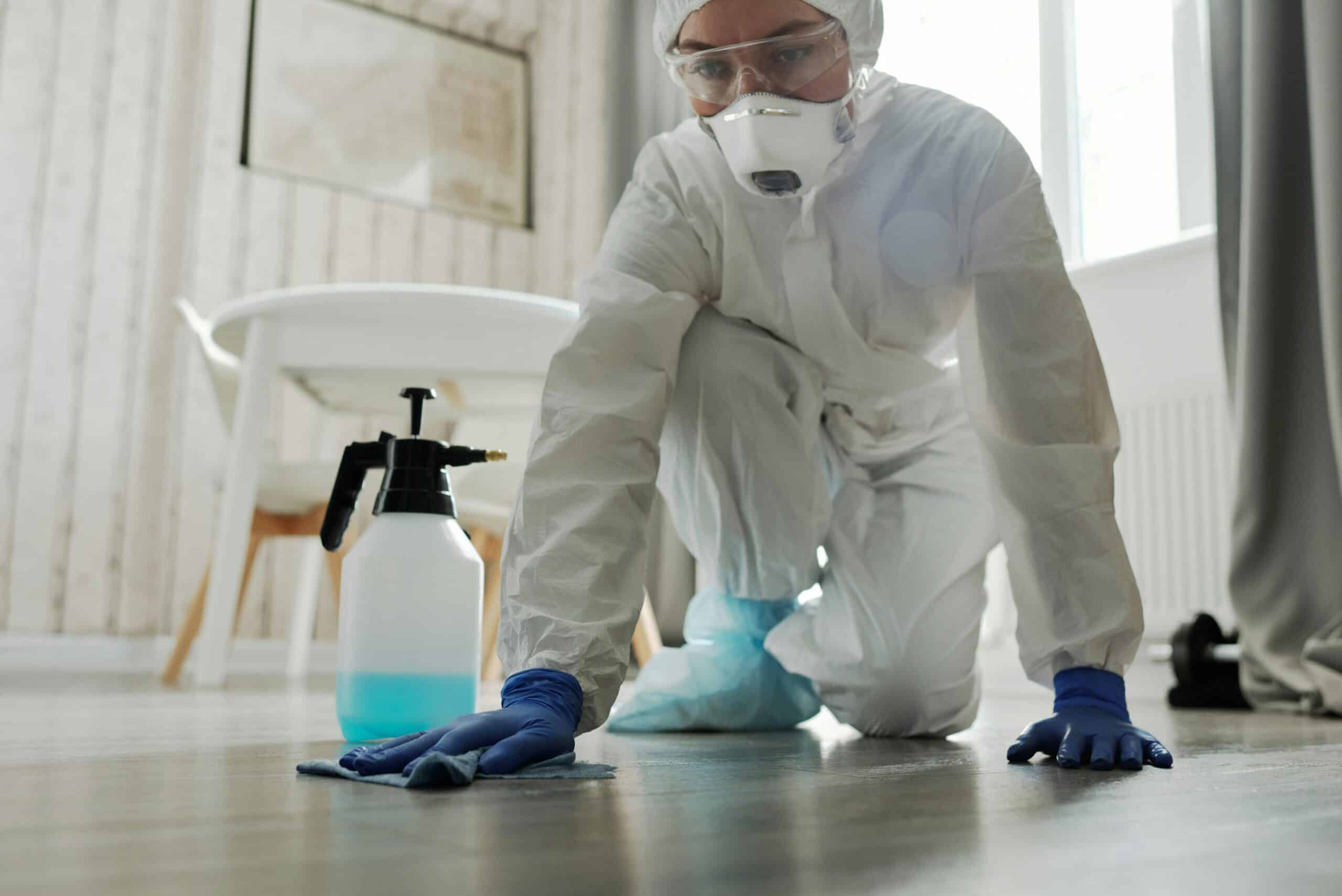
Safety compliance is one of the most critical aspects of running a janitorial company. Ensuring floor safety, proper chemical handling, and adherence to OSHA requirements not only protects employees and clients but also enhances your company’s reputation and reduces liability risks. In the cleaning industry, even minor slips or chemical exposure incidents can lead to lawsuits, insurance claims, or loss of a client contract. Therefore, integrating safety compliance into everyday operations is essential for sustainable growth and maintaining high standards.
Key Areas of Safety Compliance:
Floor Slip Resistance Testing:
Regular testing ensures that floors, especially in office buildings and high-traffic areas, meet industry standards for slip resistance. This prevents fall accidents, which are a leading cause of workplace injuries in janitorial work.
Example: A commercial cleaning company servicing a large shopping mall conducted monthly floor slip resistance testing. During one audit, areas near the main entrances were found to have reduced traction due to worn floor coatings. By addressing this immediately, the company prevented potential accidents and reinforced client trust in their service quality.
Proper Chemical Handling and PPE Usage:
Janitorial staff work with a variety of cleaning chemicals that, if mishandled, can cause burns, respiratory issues, or other injuries. Proper training in chemical safety, usage of personal protective equipment (PPE), and compliance with label instructions are essential.
Example: A residential cleaning company noticed that new employees were not wearing gloves consistently while using disinfectants. After implementing a mandatory PPE policy and conducting a safety workshop, incidents of skin irritation dropped to zero, improving both employee productivity and retention.
OSHA Compliance:
Maintaining regulatory compliance with OSHA standards protects employees and the business. This includes proper training for hazard communication, handling of biohazard materials, and safe use of equipment like floor scrubbers and lifts.
Example: A commercial cleaning services provider servicing hospitals introduced an OSHA compliance checklist for each site. This checklist included biohazard handling protocols, PPE requirements, and emergency procedures. The company passed all inspections without violations and demonstrated high standards to facility managers.
Safety Training and Continuous Education:
Regular safety training sessions ensure employees are aware of potential hazards and best practices for accident prevention. Training should cover floor safety, lifting techniques, chemical usage, and emergency response.
Example: A company that provides janitorial services to office buildings conducted quarterly safety drills simulating spill incidents. Employees learned to respond quickly and safely, reducing incident response times by 50% and increasing overall client satisfaction.
Documenting Incidents and Preventive Measures:
Tracking near-misses and accidents helps identify patterns and prevent future occurrences. Proper documentation also demonstrates to property owners and insurance companies that your company is proactive about safety.
Example: After a minor slip in a hotel lobby, a cleaning team logged the incident, evaluated the root cause, and introduced a new anti-slip matting solution. No similar incidents occurred in the following year, highlighting the importance of continuous improvement in safety protocols.
The Benefits of Safety Compliance Include:
- Reduced Workplace Injuries: Protects employees and avoids costly compensation claims.
- Enhanced Reputation: Facility managers and property owners trust cleaning companies with strong safety records.
- Improved Client Satisfaction: Clients notice a cleaning team that follows protocols, uses PPE, and maintains floor safety.
- Lower Insurance Costs: Fewer incidents can result in reduced premiums over time.
- Employee Retention: Staff feel valued and safe, increasing morale and reducing employee turnover.
In summary, improving safety compliance is not just about avoiding fines or lawsuits—it plays a crucial role in maintaining service quality, protecting employees, and demonstrating professionalism. By implementing floor slip resistance testing, PPE policies, OSHA-compliant training, and thorough incident documentation, janitorial companies create a safer environment for staff and clients while strengthening brand awareness and sustainable growth.
Monitoring Service Delivery in Office Buildings and Commercial Facilities
Reliable service delivery is critical for client satisfaction, especially in high-traffic office buildings.
What to Measure:
- Task completion during business hours
- Frequency of missed or late tasks
- Inspection results
- Use of additional services requested
- Feedback from facility managers
Example: A commercial cleaning team discovered missed vacuuming in conference rooms due to poor scheduling. Adjusting the workflow immediately resolved the issue, ensuring the quality of service.
Enhancing Customer Experience Through Effective Communication
Clear communication strengthens relationships and improves retention.
Metrics to Track:
- Response times to inquiries or complaints
- Clarity and professionalism of service reports
- Resolution time for issues
- Accuracy in documenting special requests
Example: A commercial cleaning company implemented automated daily summary emails to clients, improving transparency and increasing client satisfaction scores by 25%.
Example: A residential cleaning company introduced a dedicated hotline for special requests. Clients appreciated the responsiveness, increasing referrals and repeat business.

Using Customer Surveys and Online Surveys for Insights
Surveys provide critical insights into service quality and client expectations.
Survey Methods:
- Post-service QR code surveys
- Annual satisfaction surveys
- Short pulse surveys after large projects
- Employee feedback surveys
Example: A client requested eco-friendly chemicals through survey feedback. The cleaning company switched products, leading to higher client retention and more potential clients from referrals.
Interpreting Performance Data for Sustainable Growth
Data only becomes valuable when analyzed for trends.
Analysis Focus Areas:
- Changes in customer satisfaction scores
- Labor cost trends
- Consumables and chemical usage trends
- Rework frequency
- Operational efficiency over time
Example: By analyzing inspection and KPI data across multiple commercial sites, a cleaning company identified low productivity in one facility. Targeted training improved performance, reduced costs, and increased client satisfaction.
Best Practices for Continuous Improvement
Conduct regular inspections and monitor KPIs.
- Provide proper training for new employees.
- Use digital tools for data collection and reporting.
- Encourage client feedback for ongoing improvements.
- Update cleaning programs to meet evolving customer needs.
Example: A commercial cleaning company improved response times and service quality by reviewing feedback weekly and incorporating it into team meetings.
FAQs
1. Why are KPIs important for janitorial services?
KPIs provide measurable indicators of service quality, client satisfaction, and employee productivity.
2. How often should I review performance metrics?
Monthly reviews are recommended, though high-traffic facilities may require weekly monitoring.
3. What tools help collect performance data?
IoT sensors, QR codes, digital inspection apps, and cloud-based reporting platforms.
4. How can I improve customer satisfaction scores?
Monitor KPIs, improve communication, provide training, and conduct regular inspections.
5. What costs should I monitor closely?
Chemical cost, equipment cost, consumables cost, labor cost, and administrative work hours.
6. Why is safety measurement important?
It prevents fall accidents, ensures regulatory compliance, and strengthens brand awareness.
Conclusion
Measuring performance in a janitorial business is essential. By monitoring KPIs, tracking client satisfaction, analyzing labor costs, and leveraging technology, cleaning companies can deliver high standards, improve service quality, and achieve better results. Real-life examples show that continuous improvement, cost optimization, and effective communication strengthen client relationships, reduce accidents, and increase profit margins. Implementing these strategies ensures sustainable growth and positions your cleaning company as a trusted service provider in the competitive cleaning industry.